


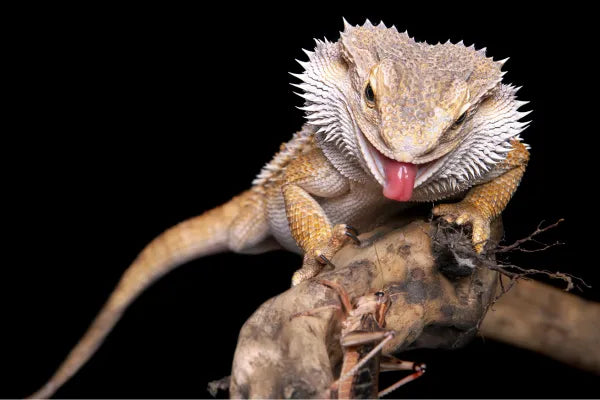
If your beardie has suddenly gone off its food, take a breath before you panic. Bearded dragons are naturally a bit moody about mealtimes, and a skipped feed or two usually isn't an emergency. But appetite loss can also be your dragon's way of telling you something in its setup or health needs attention. Here's how to work through the most likely causes, from the quick fixes to the ones that need a vet.
Start With What's Changed
Bearded dragons are creatures of habit, so the first question to ask is what's different. Have you moved the enclosure, swapped the substrate, changed the food you're offering, or adjusted the lighting recently? Even small changes can throw a dragon off its food for a few days while it adjusts. If nothing obvious comes to mind, work through the causes below in order, since a few of them are far more common than others.
Check the Enclosure Setup
Temperature and lighting have a bigger effect on appetite than most new owners expect. Bearded dragons need a proper heat gradient, with a basking spot that reaches the right temperature for digestion and a cooler end they can retreat to. If the basking area is too cool, your dragon physically can't digest food properly and will stop eating to compensate.
UVB lighting matters just as much. Dragons need full-spectrum lighting with both UVA and UVB to regulate their appetite, mood, and calcium metabolism. UVB tubes lose effective output well before they stop glowing, so if yours is more than 10 to 12 months old, that's a common and often overlooked cause of appetite drop-off. It's also worth leaving the lights on for a couple of hours after a meal, since dragons need warmth and light to digest what they've just eaten.
Grab a digital thermometer and hygrometer if you don't already have one in the enclosure. Guessing temperatures by feel is one of the most common mistakes we see, and our reptile team can help you check your setup is in the right range if you're not sure.
Could It Be Brumation?
As the weather cools, older bearded dragons often go through brumation, a hibernation-like slowdown where they become sluggish, spend more time in cooler areas of the enclosure, and eat little or nothing for weeks at a time. This is a completely normal seasonal response and tends to show up as the cooler months set in. During brumation, keep offering fresh water, keep an eye on body condition, and don't force feed. That said, don't assume brumation without ruling out illness first, especially in dragons under a year old, which don't typically brumate. If you're unsure whether it's brumation or something else, a check-up is worth it for peace of mind.
Impaction From Diet or Substrate
Impaction happens when something gets stuck in the digestive tract, and it's a common reason for a dragon to stop eating and become lethargic. Feeder insects that are too large, particularly mealworms with their tougher exoskeletons, are a frequent culprit, so as a rule of thumb, feeders shouldn't be wider than the space between your dragon's eyes.
Substrate can factor in too, but it comes down to the type and how well the rest of the enclosure is set up. Reptile-grade, very fine sand suits adult bearded dragons well, mimicking the arid ground they'd naturally dig and bask on in the wild. Problems tend to show up with coarser, non-reptile-grade sand, or when temperature and lighting aren't dialled in for healthy digestion, since a dragon that can't digest efficiently is more likely to be affected by anything it ingests. If you're seeing reduced appetite alongside straining or a lack of droppings, check that your sand is genuinely reptile-grade and fine, and get your heat and UVB setup checked before assuming the substrate itself is to blame.
Shedding Discomfort
A dragon going through a shed can look dull or greyish, especially around the tail and toes, and often loses interest in food for a few days while its skin feels tight and itchy. This is temporary and resolves once the shed is complete. You can support the process with regular light misting and a shallow soak, and make sure calcium and vitamin supplementation is on track, since good nutrition makes for smoother sheds.
When It's Time to See a Vet
Some signs shouldn't be put down to moodiness, seasonal slowdown, or shedding. Get in touch with a reptile-experienced vet if you notice sunken eyes, noticeable weight loss, ongoing lethargy alongside refusal to eat, discoloured or runny droppings, or any appetite loss in a young dragon that hasn't had a growth spurt to explain it. Bringing a fresh faecal sample along helps the vet check for parasites, which are a common underlying cause of chronic appetite problems.
Feeding by Age
How much and how often a dragon should be eating changes a lot as it grows, and mismatched expectations are a common source of false alarm.
| Age | Feeding frequency | Diet focus |
|---|---|---|
| Hatchling (0-3 months) | 3 times daily | Mostly insects (around 80%), small amounts of finely chopped greens |
| Juvenile (3-12 months) | 1-2 times daily | Balanced mix of insects and greens (roughly 50/50) |
| Subadult (12-18 months) | Daily or every second day | Shifting towards more greens |
| Adult (18 months+) | Every 1-2 days | Mostly greens and vegetables (around 80%), insects as a supplement |
Quick Troubleshooting Reference
| Sign | Likely cause | What to check |
|---|---|---|
| Off food, otherwise active and bright | Recent change in setup or diet | Retrace recent changes, recheck temps |
| Sluggish, seeking cool spots, cooler weather | Brumation | Body condition, water access, age of dragon |
| Lethargic, straining, reduced droppings | Impaction | Recent feeder size, substrate grade, temperatures |
| Dull or grey patches, tail discolouring | Shedding | Time since last shed, humidity levels |
| Sunken eyes, weight loss, discoloured stool | Possible illness | Book a reptile vet, bring a faecal sample |
The Bottom Line
A bearded dragon going off its food is worth paying attention to, but it isn't always a crisis. Work through the enclosure basics first, since heating and UVB issues cause more feeding problems than anything else, then consider the season and your dragon's age before assuming the worst. If something still doesn't add up, our reptile team is always happy to help you check your setup in-store, and a reptile-savvy vet is the right call for anything that looks like illness.


