


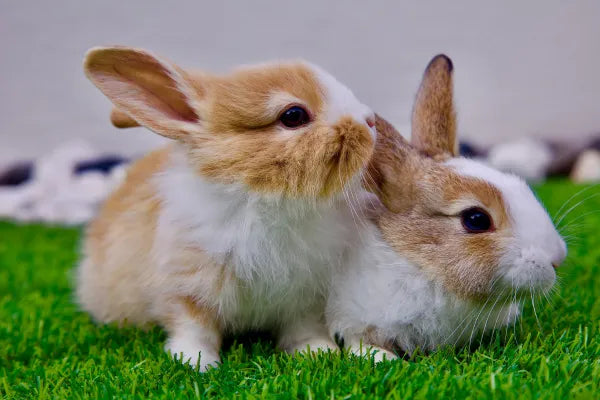
A lot of the "free to good home" baby rats, mice and guinea pigs listed online started with one pet that was sold as the wrong sex. Guinea pigs can fall pregnant from around four weeks old and rats from about five, so a seller who guesses, or keeps young males and females together, can send you home with a litter you didn't plan for. Here's where to buy a rabbit, guinea pig, rat or mouse in NSW, what a good seller does, and how to check the animal before you pay.
Where to buy a small pet in NSW
| Source | Good option? | What to know |
|---|---|---|
| Pet shop | Yes | Must follow the NSW Code of Practice for pet shops, including minimum sale ages and a returns policy |
| Breeder | Yes | Ask to see the parents and how the young are housed. Rabbit and cavy clubs can point you to breeders |
| Rescue group | Yes | Adult animals are often desexed, vaccinated (rabbits) and come with a known temperament |
| Online "accidental litter" listings | Be careful | Age, sex and health are usually guesses. Meet the animal first |
| Feeder rodent suppliers | No | Not bred or handled to be pets, and often unsexed |
Hamsters and gerbils can't legally be sold as pets in Australia, so treat any listing for one as a red flag about the seller. Rabbits are fine to keep in NSW, but not in Queensland, so don't buy one to take north.
What NSW pet shops have to do
The NSW Animal Welfare Code of Practice for animals in pet shops sets minimum ages: 6 weeks for rabbits and 4 weeks for guinea pigs, rats and mice. Plenty of experienced breeders wait longer than that, particularly with rabbits. Under the Code, pet shops must also:
- never sell an animal they suspect is sick or injured
- give you written care information for free
- take an animal back within 3 days and refund 50% of the price if it isn't suitable, and display that guarantee in store
- only sell to under-16s with a parent or guardian present or their written consent
Red flags that mean you should keep looking
Be wary of a seller who:
- keeps young males and females together, or can't tell you how they sexed them
- doesn't know the animal's age, or is selling it under the minimum age
- has crowded, smelly or dirty enclosures, or several animals that look unwell
- sells a single guinea pig or rat with no mention of company
- won't let you hold or look at the animal properly before you pay
Guinea pigs and rats are social and do best with at least one same-sex companion. Female mice live happily in groups, but adult males usually fight. Rabbits are often happiest as a desexed pair. Buying two that already live together saves a lot of introduction stress later.
Health checks before you take one home
| What to check | Healthy sign | Warning sign |
|---|---|---|
| Eyes and nose | Bright, clean and dry | Discharge, crusting, sneezing, or red-brown staining around a rat's eyes and nose |
| Breathing | Quiet and even | Clicking, wheezing or laboured breathing |
| Coat and skin | Full, clean coat | Bald patches, scabs, dandruff or constant scratching |
| Teeth | Front teeth even and meeting neatly | Overgrown, crooked or broken incisors |
| Rear end | Clean and dry | Wet or dirty bottom, or diarrhoea |
| Body and behaviour | Well-covered, curious and active | Thin, hunched, lumpy or sitting still in a corner |
Breathing problems are common in rats and mice and can flare up after the stress of a move, so watch for sneezing or noisy breathing in the first few weeks. If anything looks off, ask the seller about it or have a vet look before you commit.
Questions to ask before you pay
- When was it born, and when did it leave its mum?
- How was it sexed, and has it been housed with the opposite sex since weaning?
- What is it eating right now, including the brand of pellets?
- How much has it been handled?
- For rabbits: has it been vaccinated against calicivirus, and is it desexed?
Settling a new small pet in at home
Keep a new animal in a separate room from any pets you already have for a couple of weeks before introducing them, and book a check-up with a vet who sees small animals or exotics. For rabbits, ask your vet about a calicivirus vaccine that covers the RHDV2 strain. Pet rabbits can usually be vaccinated from about 10 weeks, so a younger rabbit will need it after you get it home.
Keep it on the same food for the first week or two, then change gradually. Rabbits and guinea pigs struggle in heat, so in a Sydney summer bring them home in the cool part of the day and never leave them in a parked car.
Pick the seller as carefully as the animal
An animal that's the age and sex you were told, eating well and handled from young will settle in faster and give you fewer surprises. If you're weighing up a rabbit against guinea pigs, or rats against mice, the small animal team in Beaumont Hills can show you what each one needs and which animals are in store this week.


