Breed Guide6 min read

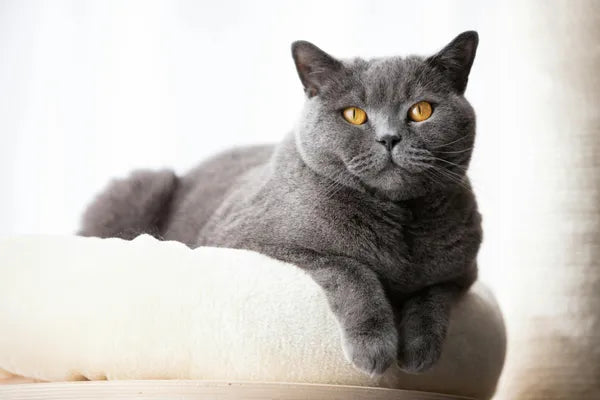
British Shorthair

British Short Hair · BSH · British Blue (when blue/grey coloured)

  • Suitable for first-time owners
  • Apartment-friendly
  • Calm temperament
  • Easy to train
  • Good with other pets
  • Affectionate
  • Good with children
  • Low grooming commitment
  • Low exercise needs
British Shorthair Breed Guide
Temperament

Calm, steady and quietly affectionate — the British Shorthair is often described as a cat that loves your company without demanding it. They are not lap cats by nature but they will happily settle nearby and seek out gentle interaction on their own terms. Rarely vocal, rarely destructive. A composed, dignified presence in any household. Generally good with children and other pets when introduced calmly.

Lifespan
12–20 years — one of the longer-lived cat breeds; many individuals reach 15+ years
Adult Size
Medium to large. Males 5–8 kg; females 3.5–5.5 kg. Takes 3–5 years to reach full maturity — unusually slow for a cat. Compact, cobby and powerfully built.
Care Level
Low
Coat Type

Short, dense, crisp double coat with a plush, almost velvety texture. Moderate shedder year-round with heavier seasonal moults. Not hypoallergenic. The coat stands away from the body rather than lying flat.

Energy Level

Low to Medium. Calm and content with moderate play but not demanding of intense exercise.

is this the right breed for you?

Owner Suitability

Excellent for first-time owners, families, apartment dwellers, busy professionals and retirees. Independent enough to tolerate being home alone but affectionate enough to enjoy company. One of the most adaptable and low-maintenance of all pedigree cat breeds.

Where the breed comes from

Origin & History

The British Shorthair is one of the oldest and most distinctly British of all cat breeds, descended from domestic cats brought to Britain by the Romans. Over centuries of natural selection followed by deliberate breeding programs beginning in the 19th century — led by cat fancy pioneer Harrison Weir — the breed was refined into the sturdy, round-faced, plush-coated cat recognised today. The British Blue (the solid grey colouring) became iconic and remains the most recognised form. The breed was introduced to Australia where it has become one of the most popular pedigree cats. Registered with the ACF and equivalent bodies. All cats should be kept indoors in Australia.

Get it right early

Tips for First-Time Owners

  1. 1 Source from a breeder who echocardiographically cardiac-screens breeding cats and DNA-tests for PKD — both are heritable and testable.
  2. 2 Measure every meal from day one — the British Shorthair's food motivation combined with a low activity level makes obesity its most common and consequential health concern.
  3. 3 Do not interpret the breed's independence as indifference — British Shorthairs form genuine bonds and benefit from daily gentle interaction even if they don't demand it.
  4. 4 Keep strictly indoors — British Shorthairs are not street-savvy and are at serious risk from traffic, predators and disease in the Australian outdoor environment.
  5. 5 Invest in pet insurance — HCM cardiac management, dental care and obesity-related veterinary costs can be significant over a 15+ year lifespan.
Daily Routine

Care & Exercise

The British Shorthair is one of the most genuinely low-maintenance pedigree cat breeds. Their independent temperament means they tolerate being home alone better than many breeds, though they still benefit from daily interaction. Feed a quality diet in measured portions — British Shorthairs are strongly predisposed to obesity given their love of eating and lower activity level, which in turn worsens the risk of joint problems and cardiac disease. Annual veterinary checks including cardiac assessment, dental care and weight monitoring are important. Keep strictly indoors in Australia.

Coat Care Routine

Grooming

Lower maintenance than longhaired breeds but not wash-and-forget. The dense double coat benefits from brushing two to three times per week with a firm bristle brush or rubber grooming glove to remove dead coat and manage shedding — increasing to daily during seasonal moults. The coat does not mat readily but benefits from regular maintenance to keep it in top condition. Bathe every six to eight weeks if needed. Clean ears weekly. Brush teeth regularly. Trim nails every two to three weeks.

Did you know

Fun Facts

The British Shorthair is widely believed to be the inspiration for John Tenniel's original illustrations of the Cheshire Cat in Lewis Carroll's Alice's Adventures in Wonderland (1865) — the broad, round face, wide-set eyes and characteristic wide grin of the illustration closely match the British Blue type that was the most well-known form of the breed in Victorian England.

The British Shorthair is one of the few cat breeds with a fully documented founding history — Harrison Weir, who organised the world's first cat show at Crystal Palace in London in 1871, specifically selected British domestic cats for exhibition and wrote detailed breed standards for them, making the British Shorthair one of the first formally defined pedigree cat breeds in the world.

The British Shorthair's coat density is exceptional — the breed has more hairs per square centimetre of skin than almost any other shorthaired cat breed. This extraordinary coat density gives the plush, almost fabric-like texture that makes British Shorthairs so distinctive and tactilely appealing.

Day-to-day interaction

Handling & Socialisation

Socialisation from kittenhood builds confidence, though the British Shorthair is naturally composed. They do not typically enjoy being picked up and held for extended periods — respect this preference and allow the cat to initiate close contact. They respond well to calm, positive interactions and are not suited to chaotic or very noisy environments. Patient introductions to children and other pets work well; their steady temperament generally produces good outcomes.

Keep them stimulated

Enrichment

British Shorthairs are not high-energy cats but they benefit from daily play to prevent obesity and boredom. Interactive wand toys, feather toys and puzzle feeders provide appropriate stimulation. Window perches and cat shelving give access to the outdoor world safely from inside. Rotating toys maintains novelty. This breed generally coexists well with other cats and can be enriched by feline companionship, though they are also content as solo cats with regular owner interaction.

What to watch for

Common Health Issues

Hypertrophic Cardiomyopathy (HCM): The primary hereditary concern — thickening of the heart muscle. Echocardiographic cardiac screening of breeding cats is recommended. Annual auscultation for all adults.

Polycystic Kidney Disease (PKD): Hereditary fluid-filled cysts in the kidneys; DNA testing is available. Source from DNA-tested breeders.

Obesity: Extremely common given the breed's love of food and lower activity level. Obesity worsens joint conditions, cardiac disease and overall lifespan. Measure all meals and monitor body condition throughout life.

Dental Disease and Gingivitis: Regular brushing and professional dental cleans reduce the risk of painful dental disease and gingivitis.

Haemophilia B: Rare but documented bleeding disorder in the breed; ask breeders about screening.

Joint Issues: Obesity-related joint stress is the primary concern; weight management is protective.

Everything you need

Essentials Shopping List

Setup checklist

  • Quality adult cat food (age-appropriate; calorie-controlled for indoor lifestyle)
  • Stainless steel or ceramic food and water bowls
  • Water fountain
  • Litter tray (one per cat plus one extra)
  • Quality clumping or crystal cat litter
  • Tall sisal scratching post (essential)
  • Cat tree or climbing structure
  • Window perch or cat shelving
  • Interactive wand and feather toys
  • Puzzle feeder (important for weight management)
  • Firm bristle brush or rubber grooming glove
  • Nail clippers
  • Cat carrier
  • Indoor-only cat-proofed environment
  • Pet insurance (from day one)
FAQ

Commonly Asked Questions

  • Are British Shorthairs lap cats?

    Not typically. They prefer proximity over being held — sitting near you rather than on you. They are affectionate on their own terms and generally initiate contact when they want it rather than seeking to be picked up.

  • Do British Shorthairs cope well alone?

    Better than most cats. Their independent temperament means they tolerate being home during the day reasonably well. They still benefit from daily interaction and enrichment, and a companion cat helps in households with longer absences.

  • How long do British Shorthairs take to mature?

    3–5 years to reach full physical maturity — one of the slowest-maturing cat breeds. A British Shorthair at one year old is still very much a kitten.

  • Are British Shorthairs prone to obesity?

    Yes — it is their most common preventable health concern. Measure every meal, choose a diet appropriate for indoor activity levels, and monitor body condition regularly.

  • What health tests should I ask a breeder for?

    Cardiac clearance (echocardiography) and PKD DNA test for both parents.

Need help?Our specialists are in-store every day to help with sourcing, training and supplies.

Visit Kellyville Pets