Breed Guide6 min read

Maine Coon

Gentle Giant · Coon Cat · American Longhair (historical/informal)

  • Apartment-friendly
  • Affectionate
  • Good with other pets
  • Easy to train
  • Calm temperament
  • Suitable for first-time owners
Maine Coon Breed Guide
Temperament

Gentle, sociable and playful - the Maine Coon is often described as dog-like in its loyalty and interaction. It follows its family from room to room, tends to chirp and trill rather than meow, enjoys interactive play well into adulthood, and is generally tolerant and good-natured with children, other cats and even dogs. Intelligent and curious without being demanding. Less of a lap cat than many breeds; prefers to be near rather than on its owner, though individual variation exists.

Lifespan
12-15 years
Adult Size
Males typically 6–9 kg; females 4–6 kg
Care Level
Medium
Coat Type

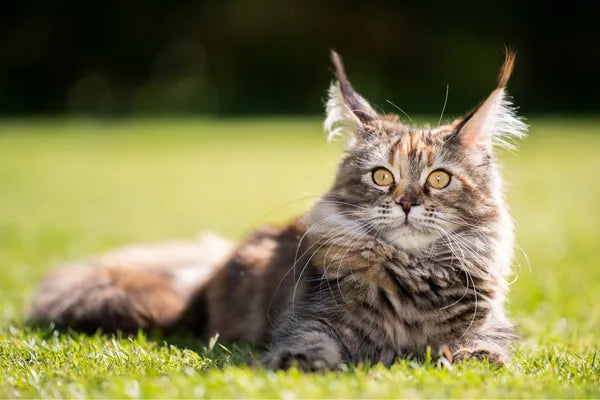
Long, dense, shaggy, semi-water-resistant double coat with a silky texture. Heavy shedder year-round with significant seasonal moults in spring and autumn. Not hypoallergenic. The coat is longer on the belly and flanks, creating a distinctive 'shaggy' silhouette.

Energy Level

Medium to High

is this the right breed for you?

Owner Suitability

Excellent for families, experienced and first-time cat owners prepared for the grooming commitment. Adaptable and sociable. Does not suit owners away for long periods without providing enrichment or a companion. The large adult size, substantial coat and health screening requirements should be assessed before purchase.

Where the breed comes from

Origin & History

The Maine Coon is one of the oldest natural breeds in North America, native to the US state of Maine where it is the official state cat. It developed over centuries as a working barn and ship cat in the harsh New England climate, naturally selecting for a large, rugged build, dense water-resistant coat, large tufted paws suited to walking on snow, and a hardy, adaptable temperament. The breed's exact origin is unknown - popular legends include a cross between semi-wild domestic cats and raccoons (genetically impossible) or cats brought by Marie Antoinette - but molecular evidence confirms it as a descendant of Northern European longhaired cats, likely Norwegian Forest Cat relatives brought to North America by early settlers or seafarers. First exhibited at shows in the 1860s, the Maine Coon was eclipsed by imported Persian cats in the early 20th century before experiencing a strong revival from the 1950s onward. Today it is one of the world's most popular pedigree cat breeds. Registered with the ACF and equivalent bodies in Australia. Keep strictly indoors.

Get it right early

Tips for First-Time Owners

  1. 1 Source from an ACF-registered breeder who echocardiographically cardiac-screens breeding cats and DNA-tests for the MYBPC3 HCM mutation, SMA and PKD - these are all hereditary, testable conditions and the breeder's health screening is the most important factor in kitten selection.
  2. 2 Begin grooming conditioning from the very first week - brush daily in short, positive sessions from kittenhood. A Maine Coon that accepts full-body grooming becomes a cooperative adult; one that was not conditioned as a kitten is very difficult to groom at full size.
  3. 3 Provide a large, heavy, stable cat tree - Maine Coons are big cats that will tip lightweight structures and may injure themselves in the process. Invest in a purpose-built large-breed cat tree from the start.
  4. 4 Monitor weight carefully as the cat ages - Maine Coons are prone to obesity in middle and older age as activity levels decrease. Measure all meals; do not free-feed.
  5. 5 Invest in pet insurance from the start - HCM cardiac monitoring, SMA management and hip joint care over a potential 15-year lifespan represent a significant financial commitment.
Daily Routine

Care & Exercise

The Maine Coon requires more daily engagement than many cat breeds - it is an active, curious and interactive cat that benefits from structured play and enrichment. Feed a quality, high-protein diet appropriate for a large, active breed; measure portions carefully as Maine Coons are prone to obesity given their large frame and eventual slow metabolism with age. Annual veterinary checks including cardiac assessment are important - HCM is the breed's primary hereditary concern. Keep strictly indoors in Australia. Source from ACF-registered breeders who health-screen for HCM, SMA and PKD.

Coat Care Routine

Grooming

The Maine Coon coat requires consistent, committed grooming - more than the silky texture might suggest. Brush two to three times per week with a wide-tooth metal comb and a slicker brush, paying close attention to the armpits, belly, ruff and behind the ears where mats most readily develop. During spring and autumn coat blowouts, daily brushing is necessary. Without regular grooming, mats form rapidly in the dense undercoat and eventually require shaving to correct - a distressing experience for any cat. Bathe every six to eight weeks. The Maine Coon's semi-water-resistant coat and relatively tolerant temperament mean many individuals accept bathing better than most breeds. Clean ears weekly - the large tufted ears can accumulate debris. Brush teeth regularly. Trim nails every two to three weeks.

Did you know

Fun Facts

The largest cat ever officially recorded was a Maine Coon named Stewie, who measured 123 cm (48.5 inches) from nose to tail tip - a Guinness World Record. Another Maine Coon, Barivel, held the record for longest living cat at over 120 cm. The breed's extraordinary size is a natural trait developed over generations, not a product of selective breeding for extreme size.

The Maine Coon's fascination with water is one of its most frequently observed and documented characteristics - attributed to its centuries of working alongside fishermen and sailors on the Maine coast, where cats that hunted near water and tolerated wet conditions were valuable. Many Maine Coons will actively seek out dripping taps, investigate water bowls with their paws, and accept bathing with more composure than most cat breeds.

The Maine Coon communicates in an unusually wide vocal repertoire - chirping, trilling, chattering and producing a range of vocalisations far more varied than the standard domestic cat meow. This characteristic vocalisation is so consistent across the breed that it is considered a breed trait, and Maine Coon owners frequently describe conversations with their cats as genuinely two-sided exchanges.

Day-to-day interaction

Handling & Socialisation

Early and positive handling from kittenhood builds a confident, handleable adult. Maine Coons are generally tolerant and adaptable. Begin grooming conditioning from the first week - a kitten that learns to accept full-body brushing and ear cleaning becomes a cooperative adult; an adult Maine Coon not conditioned to grooming is physically challenging to manage at 7–9 kg. They are excellent with gentle children and typically integrate well into multi-pet households with gradual introduction. Their chirping, trilling vocalisations are characteristic and form part of their interactive communication.

Keep them stimulated

Enrichment

Maine Coons are active and benefit from both physical and cognitive enrichment. A large, tall, sturdy cat tree is essential - this is a big cat that needs solid structures it cannot tip. Wall-mounted cat shelving provides climbing and vantage opportunities. Interactive wand toys, feather toys and puzzle feeders provide daily stimulation. The breed's water fascination (a heritage feature from its working-cat ancestry) means many individuals enjoy batting at water or investigating taps. Supervised access to an enclosed outdoor cat run provides safe environmental complexity. A companion cat of compatible personality is beneficial for households with regular absences.

What to watch for

Common Health Issues

Hypertrophic Cardiomyopathy (HCM): The most significant hereditary health concern. Thickening of the heart muscle that can progress to heart failure. A breed-specific genetic mutation (MYBPC3 A31P variant) has been identified and DNA testing is available. Echocardiographic cardiac screening of breeding cats is strongly recommended. Annual cardiac auscultation for all adults from age 2; echocardiography as advised. Sourcing from cardiac-screened breeders is the single most important health decision.

Spinal Muscular Atrophy (SMA): A hereditary neurological condition affecting spinal cord motor neurons, causing progressive muscle weakness and a distinctive wobbly gait from approximately 3–4 months of age. Not painful but affects mobility and requires adapted care. DNA testing is available; responsible breeders test for and breed away from SMA.

Polycystic Kidney Disease (PKD): Fluid-filled cysts in the kidneys causing progressive kidney damage. DNA testing available; source from PKD-tested breeders.

Hip Dysplasia: Abnormal hip joint development causing pain and arthritis in larger individuals. Maintain healthy body weight; source from hip-assessed breeders.

Obesity: Common in older individuals as activity decreases; measure all meals and maintain healthy weight throughout life.

Everything you need

Essentials Shopping List

Setup checklist

  • Quality large-breed adult cat food (high-protein; age-appropriate)
  • Large stainless steel or ceramic food and water bowls
  • Water fountain (Maine Coons often prefer moving water)
  • Large litter tray (one per cat plus one extra; extra-large for big males)
  • Quality clumping or crystal litter
  • Tall, heavy, stable sisal scratching post
  • Large, heavy-duty cat tree with wide platforms (purpose-built for large breeds)
  • Wall-mounted cat shelving (multiple levels)
  • Interactive wand toys and feather toys
  • Puzzle feeders
  • Wide-tooth metal comb and slicker brush (grooming - 2–3x per week)
  • Nail clippers
  • Cat toothbrush and cat-safe toothpaste
  • Large cat carrier
  • Enclosed outdoor cat run or catio (recommended)
  • Pet insurance (from day one - HCM monitoring makes this essential)
FAQ

Commonly Asked Questions

  • How much grooming does a Maine Coon actually need?

    Two to three times per week minimum, increasing to daily during spring and autumn coat blowouts. Without consistent grooming, the dense undercoat mats rapidly - particularly in the armpits, belly and behind the ears - and mat removal at full size can require a vet visit. Start grooming conditioning from kittenhood.

  • Are Maine Coons good with children?

    Excellent - their tolerant, patient and playful nature makes them one of the most child-friendly cat breeds. Their large size also means they are less fragile in busy households than smaller breeds.

  • Do Maine Coons need a companion cat?

    Not mandatory, but beneficial for households where the cat is regularly home alone. They are sociable cats that do well with compatible feline companions.

  • How serious is HCM in Maine Coons?

    Very. HCM is the leading cause of sudden cardiac death in cats and is more prevalent in Maine Coons than many breeds. Annual cardiac monitoring and sourcing from echocardiographically-screened breeding cats are the most important health actions.

  • What health tests should I ask a breeder for?

    MYBPC3 HCM DNA test AND echocardiographic cardiac screening; SMA DNA test; PKD DNA test; hip assessment for breeding cats.

Need help?Our specialists are in-store every day to help with sourcing, training and supplies.

Visit Kellyville Pets