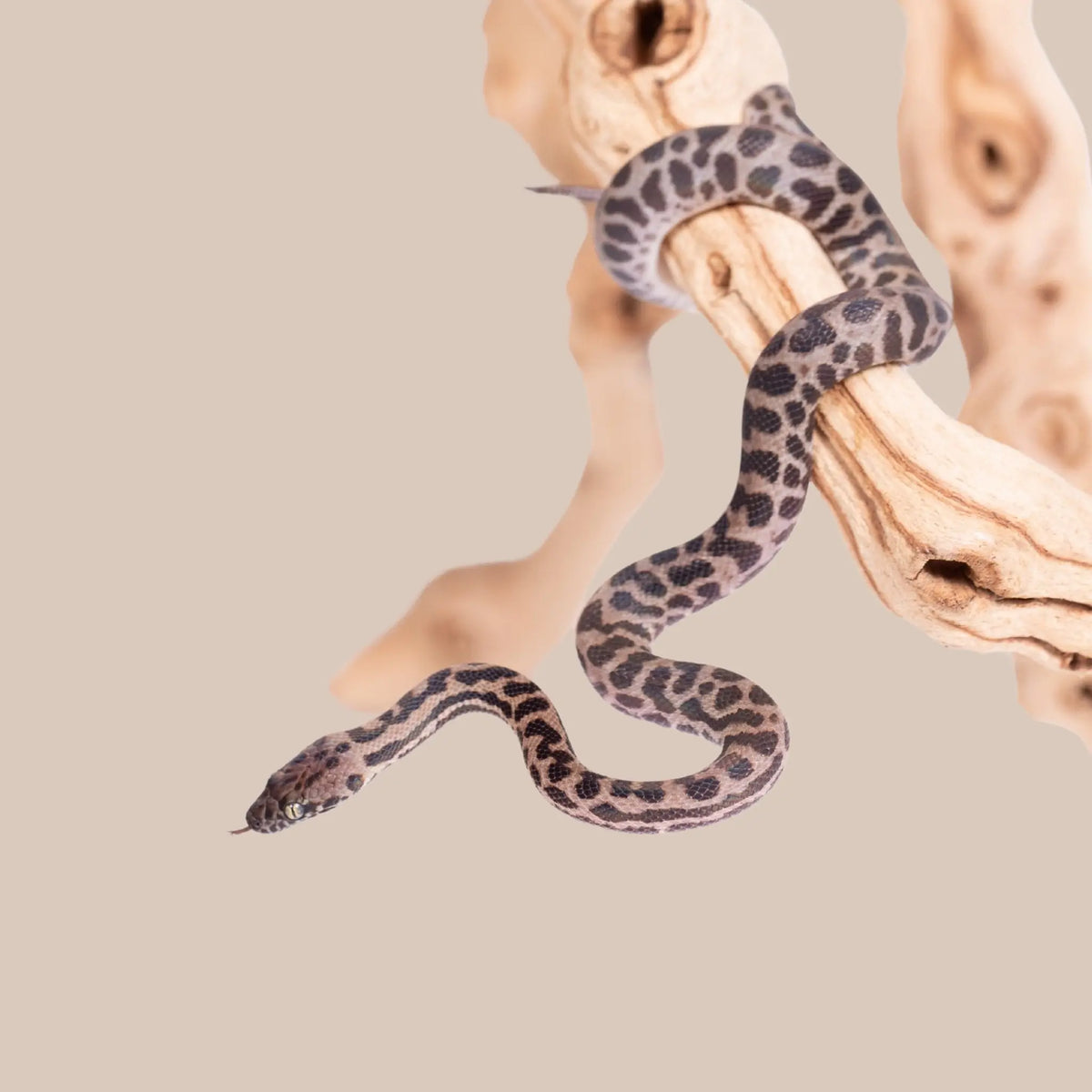
Care Guide

Children's and Spotted Pythons

Antaresia species
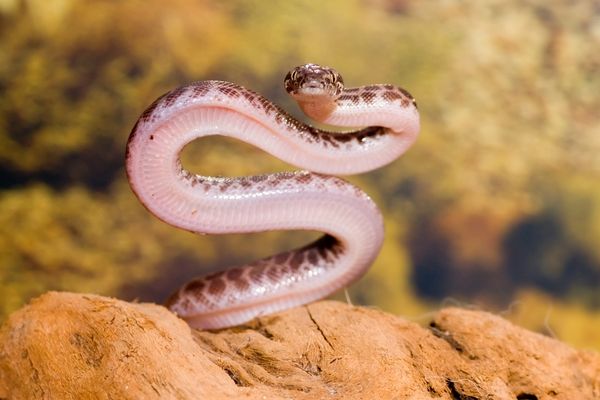
Children's python (A. childreni)
Spotted python (A. maculosa): Eastern Small-blotched Python
Pygmy python (A. perthensis)

Children's and Spotted Python Care Guide
Lifespan
20-30 years
Adult Size
up to 140cm
Care Level
Low
Diet

Carnivorous diet of appropriately sized frozen-thawed mice

Enclosure

Small, secure, thermostatically controlled plastic or glass enclosure with a warm end, cool end and two snug hides

Temperament

Generally calm and easy to handle once established

Where they come from

Natural History & Origin

Antaresia pythons are native to Australia and are found across a broad range of habitats. Children's Pythons are distributed across northern Australia — from the Kimberley in Western Australia through the Northern Territory and into north Queensland — inhabiting rocky outcrops, tropical woodlands, grasslands and monsoon forests. Spotted Pythons occur along the eastern coast from Cape York Peninsula through Queensland and into northern New South Wales, favouring rocky terrain and forest margins. The tiny Pygmy Python is restricted to the Pilbara region of Western Australia.

All three species are non-venomous constrictors that feed on small lizards, frogs and mammals. They are among the world's smallest pythons, making them particularly well suited to keepers with limited space. Children's Pythons reach 100–120 cm; Spotted Pythons 110–140 cm; and Pygmy Pythons 40–55 cm. Their docile nature and manageable size have made them consistently popular beginner species in Australia.

Get it right early

Tips for First-Time Owners

  1. 1 Set up the enclosure and verify stable temperatures at both ends for at least 48 hours before bringing your python home — temperature instability is the leading cause of illness in captive snakes.
  2. 2 Two snug hides — one on the warm end and one on the cool end — are non-negotiable; a snake without a secure hide will be stressed and is likely to refuse food.
  3. 3 Always feed frozen-thawed prey using feeding tongs — live rodents can and do seriously injure snakes, and the risk is entirely avoidable.
  4. 4 Do not be alarmed if your new python refuses food for the first two to four weeks — this is completely normal during the settling-in period.
  5. 5 Obtain a valid fauna keeper licence for your state before purchasing, and source your animal only from a licensed, reputable captive breeder.
Setting up the habitat

Enclosure & Husbandry

Antaresia pythons are small but require a fully secure, escape-proof enclosure — even minor gaps can allow escape, and these snakes are surprisingly capable of exploiting poorly fitted lids. For juveniles up to six months of age, a 60 × 30 × 30 cm enclosure is suitable. An adult Children's or Spotted Python requires a minimum enclosure of 90 × 45 × 45 cm.

A thermal gradient is essential: the warm end should be maintained at 30–32 °C using a heat mat, heat cord or overhead low-wattage globe regulated by a quality thermostat. The cool end should sit at 22–26 °C. Ambient room temperature should not drop below 18 °C at night. Suitable substrates include paper towel or newspaper — easy to clean and safe for juveniles — as well as reptile carpet or aspen shavings for adults. Pine and cedar shavings must be avoided, as they contain aromatic oils that are toxic to reptiles.

Two snug-fitting hides are essential — one on the warm end and one on the cool end. The hide should be just large enough for the snake to coil inside fully. A stable, appropriately sized water dish completes the enclosure. A 12-hour light/dark cycle should be maintained, and low-output UVB lighting — while not historically considered essential — is increasingly recommended to support overall health.

What to feed

Dietary Management

Antaresia pythons are carnivores and thrive on a diet of frozen-thawed rodents in captivity. Feeding frozen-thawed prey is both safer for the snake — live rodents can inflict serious injuries — and more humane. Prey size should approximate the widest diameter of the snake's body; avoid oversized prey items, which increase the risk of regurgitation.

Juveniles should be offered an appropriately sized mouse every five to seven days. Sub-adults can be fed every seven to ten days, and adults every ten to fourteen days. Food items must be fully thawed and warmed before offering — placing prey in a zip-lock bag submerged in warm water is an effective method. Always offer prey using feeding tongs, not by hand, to avoid accidental feeding responses. Feeding in a separate container can help reduce enclosure-associated feeding responses during routine maintenance. Handling should be avoided for at least 48 hours after feeding. Fresh water must be available at all times.

Day-to-day interaction

Handling & Socialisation

Juveniles can be nippy and defensive initially, but most settle readily with regular, gentle handling. Feeding responses — where the snake strikes at movement or scent — are not aggression and should not be mistaken for it. Bites from Antaresia pythons are minor and infrequent in well-handled animals.

Allow the snake at least two weeks to settle into its new home before beginning regular handling. After this period, short sessions of five to ten minutes, two to three times per week, help build familiarity and maintain tameness. Always support the snake's full body weight — never dangle or grip tightly. Approach calmly from the side, not from above.

Avoid handling for at least 48 hours after feeding, during shed (when eyes appear cloudy or skin appears dull), and if the snake shows signs of stress. Wash hands before handling to remove food scents that could trigger a feeding response. With consistent, calm interaction, most Antaresia pythons become highly tolerant and relaxed handling companions.

Did you know

Fun Facts

Children's Pythons are named after John George Children, a British zoologist and curator at the British Museum in the early 19th century — not because they are child-sized, though their manageable scale is certainly part of their appeal.

Antaresia pythons are ambush predators with a remarkable trick — juveniles have been documented performing caudal luring, wriggling the tail tip to mimic a worm or insect and attract prey within striking distance.

Despite being among the world's smallest pythons, Antaresia species use exactly the same constriction hunting method as their much larger relatives — wrapping coils around prey and tightening with each exhale until the prey can no longer breathe.

Keep them stimulated

Enrichment

Despite their small size, Antaresia pythons benefit from environmental variety. Cork bark hides, artificial plants and branches can be rearranged during routine cleans to provide novelty and encourage exploration. Providing a slightly larger enclosure with additional décor gives the snake more choices in its environment and supports natural behaviour.

Scent enrichment — briefly introducing a novel safe object into the enclosure — can stimulate investigation. Some keepers allow supervised out-of-enclosure exploration in a safe, escape-proof space, which provides additional physical and sensory stimulation. Varying the position of the water dish and hides during cleans also encourages movement and engagement with the environment.

What to watch for

Common Health Issues

Respiratory infections may develop if enclosure temperatures are too low, ventilation is inadequate or the animal is exposed to draughts. Signs include wheezing, open-mouth breathing or mucus — maintain stable temperatures and seek veterinary advice promptly. Ectoparasites (snake mites) can spread rapidly if not identified early; inspect regularly and treat with a veterinarian-recommended product, thoroughly disinfecting the enclosure simultaneously.

Incomplete shedding is usually linked to insufficient humidity during shed cycles — provide a damp moss hide and ensure temperatures are stable. Obesity can develop if prey size or feeding frequency is excessive — follow recommended schedules and monitor body condition. Inclusion Body Disease (IBD) is a fatal viral disease in pythons and boas; source animals only from reputable, tested breeders to minimise risk. Any unexplained weight loss, regurgitation, neurological signs or changes in behaviour should be assessed promptly by a reptile-experienced veterinarian.

Everything you need

Essentials Shopping List

Setup checklist

  • Secure plastic or glass enclosure — minimum 90 × 45 × 45 cm for adults; 60 × 30 × 30 cm for juveniles
  • Escape-proof, lockable lid
  • Heat mat or heat cord
  • Quality thermostat (essential)
  • Digital dual-probe thermometer (warm and cool end)
  • Two snug-fitting hides (warm and cool end)
  • Damp moss or humid hide (for shed support)
  • Stable water dish
  • Paper towel or aspen shaving substrate
  • Reptile-safe disinfectant
  • Feeding tongs (minimum 30 cm)
  • Frozen mouse supply (pinky to adult, size-appropriate)
  • Low-output UVB light (T5 5.0 or 6%) and fitting
  • Fauna keeper licence (state-specific)
  • Feeding and husbandry record book
FAQ

Commonly Asked Questions

  • How often should I feed my Children's or Spotted Python?

    Juveniles every five to seven days; sub-adults every seven to ten days; adults every ten to fourteen days. Adjust according to body condition — avoid overfeeding, particularly in adults.

  • My python hasn't eaten in three weeks — should I be concerned?

    Not necessarily. Pythons commonly fast during shed cycles, breeding season or when settling into a new environment. If refusal extends beyond six to eight weeks, or is accompanied by weight loss or other symptoms, consult a reptile vet.

  • Can I keep two Children's or Spotted Pythons together?

    It is not recommended. Pythons are solitary animals and cohabitation frequently leads to stress, resource competition, and in some cases, one animal attempting to consume the other — particularly at feeding time.

  • What is the difference between a Children's Python and a Spotted Python?

    Spotted Pythons typically display more distinct, irregular blotching compared to the more uniform pattern of Children's Pythons. Both species have very similar care requirements and temperament.

  • Is a licence required to keep an Antaresia python in Australia?

    Yes. A fauna keeper licence is required in all states and territories. Requirements and fees vary — contact your state wildlife authority for current details.

Need help?

Our specialists are in-store every day to help with setup, licensing and feeding.

Visit Kellyville Pets →