


Geckos
Various species

10-15+ years

up to 18cm

Low to Medium


Where they come from
Natural History & Origin


Get it right early
Tips for First-Time Owners
- 1 Set up the enclosure completely and allow temperatures to stabilise for at least 48 hours before introducing your gecko — temperature instability during the settling-in period is stressful and can suppress the immune system.
- 2 Always provide a humid hide containing lightly moistened sphagnum moss — this is the single most effective way to prevent incomplete shedding and protect the health of your gecko's toes and eyes.
- 3 Feed in the evening, after the enclosure lights have been off for an hour — both species are strictly nocturnal hunters and feeding during daylight hours causes unnecessary stress and reduces feeding response.
- 4 Use a thermostat on all heat sources without exception — unregulated heat mats are a leading cause of thermal burns in captive geckos.
- 5 Obtain the appropriate fauna keeper licence for your state before purchasing and source animals only from a licensed, reputable captive breeder.
Setting up the habitat
Enclosure & Husbandry
What to feed
Dietary Management
Day-to-day interaction
Handling & Socialisation
Find your next best friend
Browse all Lizards
Our Available Lizards


Did you know
Fun Facts
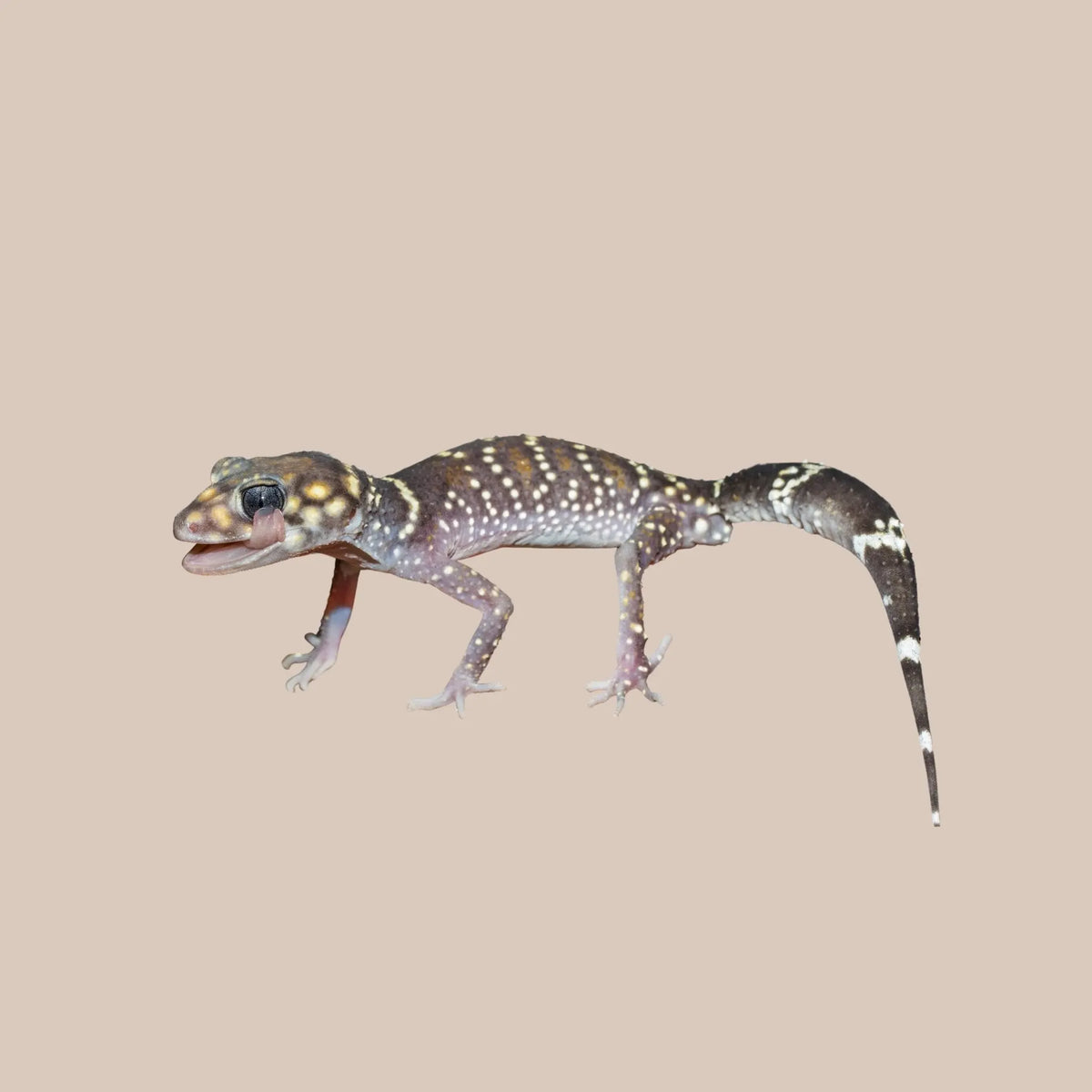
The Thick-Tailed Gecko stores fat in its distinctive swollen tail — a natural adaptation for surviving periods of food scarcity in the wild. A plump, well-rounded tail is a reliable indicator of good health in captivity.
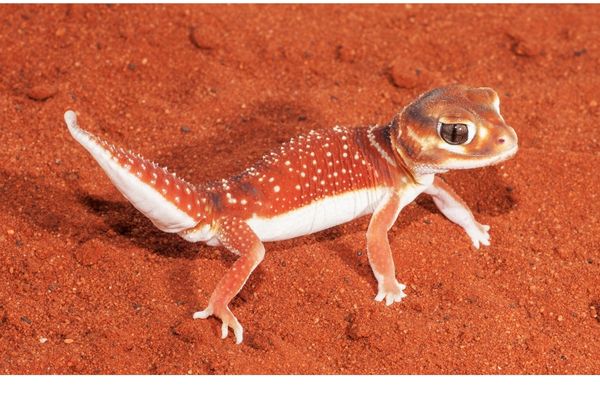
Smooth Knob-tailed Geckos have one of the most distinctive appearances of any Australian gecko — the small spherical knob at the tip of their tail is thought to act as a decoy, drawing a predator's attention away from the more vulnerable head.
Both species are capable of tail autotomy — deliberately dropping the tail as a defence mechanism when grabbed by a predator. The tail regenerates over several months, but the replacement is formed from cartilage rather than bone and has a notably different texture and appearance from the original.
Keep them stimulated
Enrichment
What to watch for
Common Health Issues
Everything you need
Essentials Shopping List
Setup checklist
- Secure glass or PVC terrarium — minimum 60 × 40 × 30 cm; 90 × 45 × 30 cm preferred
- Escape-proof, ventilated lid (geckos can squeeze through very small gaps)
- Heat mat or heat cord (side-wall or undertank placement)
- Quality thermostat (essential — never run a heat mat unregulated)
- Digital dual-probe thermometer (warm and cool end)
- Reptile-safe desert sand substrate (8–12 cm depth)
- Two or three hides (warm end, cool end, and mid-enclosure)
- Humid hide with sphagnum moss (for shed support)
- Flat slate rocks or smooth stones
- Cork bark pieces
- Shallow, escape-proof water dish
- Calcium supplement powder
- Reptile multivitamin powder
- Live cricket supply
- Live wood cockroach (woodies) supply
- Feeder insect gut-load food
- Soft feeding tongs
- Low-output T5 6% UVB tube and fitting
- Lighting timer
- Reptile-safe disinfectant
- Fauna keeper licence (state-specific)
READY TO SET UP
Browse all
Shop the Essentials

Live Black Soldier Fly Larvae
from$11.49
View →

Live Woodies - Pisces Enterprises
from$12.99
View →

Springtails Clean Up Crew
from$16.49
View →

Isopod Clean Up Crew
from$17.49
View →

Exo Terra Intense Basking Spot
from$19.99
View →

Reptile One Central Australian Desert Sand
from$19.99
View →

Reptile One Dome Reflector
from$35.49
View →

Critter's Comfort Fine 20L - Previously Kritter's Crumble
$29.99
View →
FAQ
Commonly Asked Questions
-
Do Thick-Tailed Geckos and Smooth Knob-tailed Geckos have the same care requirements?
-
Can I keep geckos of different species together?
-
My gecko hasn't eaten in two weeks — is this normal?
-
How do I know if my gecko's tail is healthy?
-
Is a licence required to keep native geckos in Australia?
Learn more
See more care guides Read about other species
No articles match that search. Try a different word.


Need help?Our specialists are in-store every day to help with set up, licensing and feeding.
Visit Kellyville Pets