Care Guide6 min read

Freshwater Community

Various species
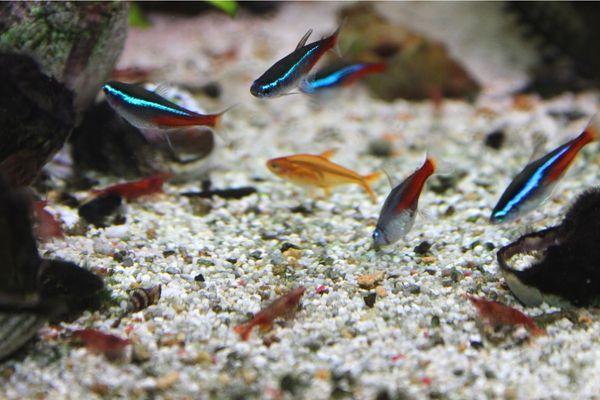
Commonly kept community fish groups include:
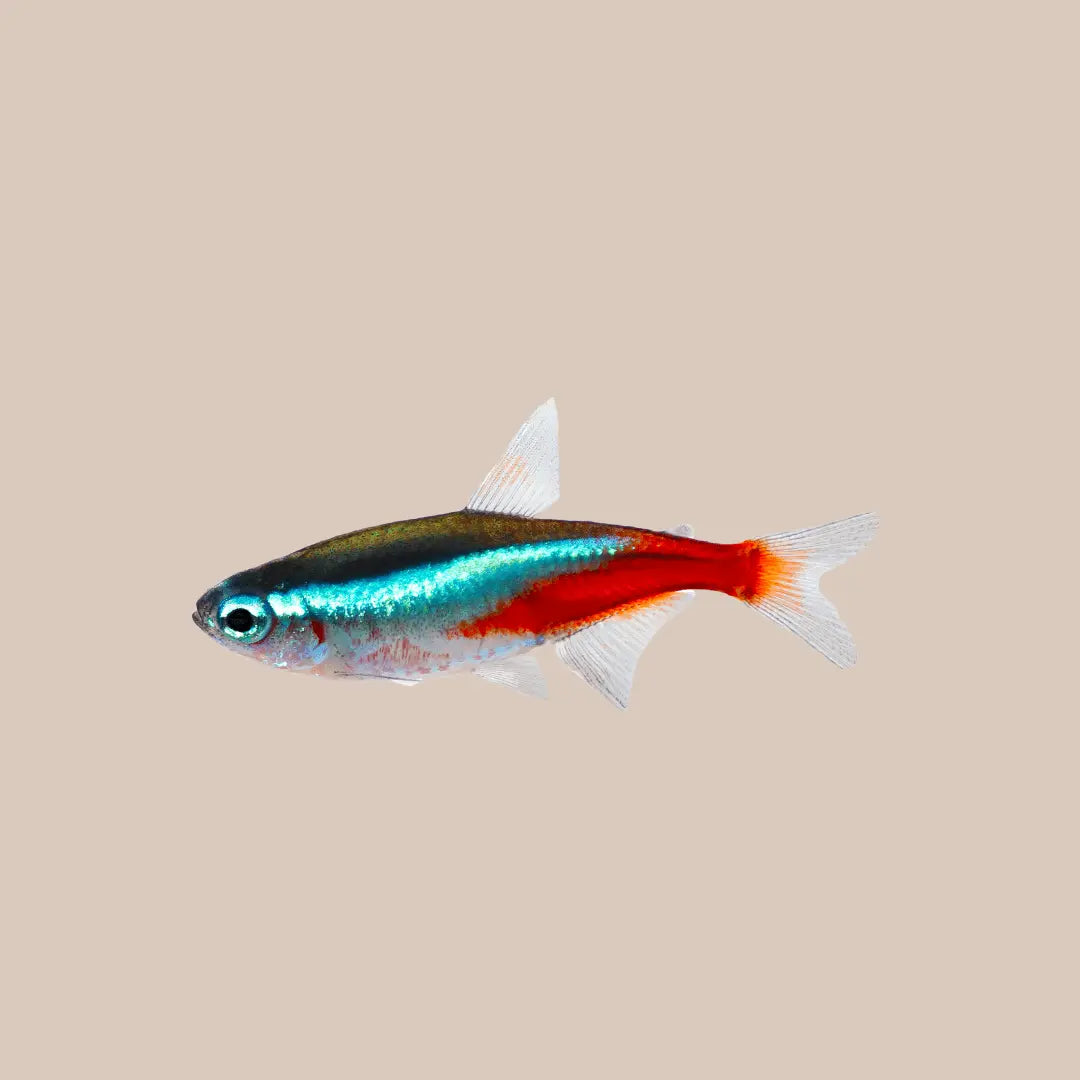
Tetras (Paracheirodon spp., Hyphessobrycon spp.)
Livebearers (Poecilia reticulata - Guppies; Xiphophorus spp. - Swordtails, Platies)
Corydoras catfish
Rasboras
Danios
Gouramis (Trichogaster spp.)
Bristlenose Catfish (Ancistrus spp.)

Freshwater Community Care Guide
Lifespan
2-15 years; varies widely by species
Adult Size
3-15; varies by species
Care Level
Low to Medium
Diet

High-quality tropical fish flakes or micro-pellets for surface and mid-water feeders; sinking pellets or wafers for bottom-dwellers; frozen foods for dietary variety

Enclosure

Planted tropical aquarium (minimum 60-80 litres for a small community; 100-200 litres for a fully stocked community) with appropriate filtration, heating, lighting and a compatible species selection

Temperament

Most community fish are social animals that thrive in groups: shoaling fish like tetras and rasboras display their most natural and visually appealing behaviour when kept in appropriate numbers

Where they come from

Natural History & Origin

A freshwater community aquarium is the most popular type of aquarium kept in Australian homes. It typically houses a curated selection of peaceful, compatible tropical fish sharing broadly similar water parameter requirements (temperature 24-28ºC; pH 6.8-7.5; neutral to moderately soft water). The concept of the community tank, multiple species of fish coexisting harmoniously in a naturalistic planted environment, was developed progressively from the early 20th century.

The appeal of a freshwater community aquarium lies in its accessibility, versatility and aesthetic range. A well-designed 100-litre planted community with a shoal of Cardinal Tetras, a colony of Corydoras, a pair of Dwarf Gouramis and some Otocinclus catfish is one of the most reliably rewarding aquarium setups available at any experience level.

Successful community aquariums are built on three principles: correct cycling before fish are introduced, compatible species selection, and consistent water quality maintenance.

Get it right early

Tips for First-Time Owners

  1. 1 Cycle the tank fully before adding fish: the nitrogen cycle must be completed before any livestock is introduced. Test for ammonia and nitrite; both must read zero.
  2. 2 Quarantine all new fish for 2-4 weeks before introducing them to the display aquarium: this single precaution prevents most disease outbreaks.
  3. 3 Research compatibility before purchasing: check temperature, pH, size, temperament and group size requirements for every species.
  4. 4 Weekly water changes of 20-30% are the single most important maintenance task: do not skip or delay regardless of how clear the water appears.
  5. 5 Start with hardy, forgiving species: Corydoras, White Cloud Mountain Minnows, Platies, Zebra Danios, Bristlenose Catfish, Cherry Barbs and Ember Tetras are excellent beginner choices that tolerate typical beginner water quality variations much better than sensitive species.
Setting up the habitat

Enclosure & Husbandry

A successful community aquarium requires the nitrogen cycle to be fully established before fish are introduced, typically taking 1-6 weeks. Test for ammonia, nitrite and nitrate before adding fish; ammonia and nitrite must both read zero.

Minimum tank recommendations: 60-80 litres for a small beginner community; 100-150 litres for a more diverse community; 200+ litres for larger or more demanding species. Longer, lower tanks suit Corydoras and bottom-dwellers; taller tanks suit mid-to-surface species.

Essential equipment: an aquarium heater rated for the tank volume (set to 26-27ºC for most tropical community fish); a filter rated for at least twice the tank volume; aquarium lighting on a timer (8-10 hours per day); a thermometer; and a water quality test kit. Fine aquarium gravel, fine sand or plant-compatible aqua soil suits most setups.

Aquarium plants are strongly recommended: they provide oxygen, absorb nitrates, provide cover, reduce algae, and create a naturalistic environment. Hardy beginner plants include java fern, anubias, amazon sword, vallisneria and hornwort.

Compatibility must be planned carefully: combine fish sharing similar temperature, pH and hardness requirements; avoid pairing aggressive with peaceful species or large with small species that may be eaten; ensure shoaling species are kept in appropriate group sizes (most tetras and rasboras in groups of six or more).

What to feed

Dietary Management

A community aquarium requires a feeding approach ensuring all fish across all levels receive adequate nutrition. High-quality tropical flake food or micro-pellets feeds tetras, rasboras, danios and other surface-to-mid-water feeders. Quality sinking pellets, sinking algae wafers or catfish tablets feed bottom-dwelling Corydoras and Bristlenose Catfish.

Supplement the dry food diet with frozen foods two to three times per week: frozen bloodworms are accepted by virtually all community fish; frozen brine shrimp suits tetras and livebearers; frozen daphnia is excellent for smaller species. Live blackworms are one of the best nutritional supplements for community fish.

Feed adult community fish once to twice daily; offer only what is consumed in two to three minutes and remove excess food promptly. Overfeeding is the most common cause of poor water quality. A one-day fast per week reduces waste accumulation.

Day-to-day interaction

Handling & Socialisation

Community fish are not handled: they are aquarium animals appreciated through observation and interaction at the glass. Handling should only occur when medically necessary, using a soft fine-mesh net and minimising time out of water. Encouraging fish to approach the front of the glass through consistent feeding at the same location, and varying feeding items, creates gentle interaction that most community fish respond to over time.

Did you know

Fun Facts

The first successful import of tropical fish to Europe for the aquarium hobby occurred in 1869 with the Paradise Fish, an event considered the founding moment of the global tropical fishkeeping hobby encompassing hundreds of millions of hobbyists worldwide today.

Corydoras catfish belong to one of the most species-rich freshwater fish genera on Earth, with over 150 described species adapted to virtually every type of South American freshwater environment.

The nitrogen cycle that underpins all aquarium water quality management was not formally understood by aquarists until the 1960s, despite fishkeeping being practiced for over a century. Its discovery transformed aquarium practice and is the fundamental concept of modern fishkeeping.

Keep them stimulated

Enrichment

A well-designed community aquarium provides inherent enrichment through species diversity, spatial complexity and natural behaviour. The social interactions of a shoal of tetras, the foraging of Corydoras, the browsing of Bristlenose Catfish on driftwood, and the display behaviour of Gouramis all reflect natural ecology. Live plants enrich the tank for fish: they shelter in, interact with, spawn among and browse on live plants. Driftwood, rocks and cave structures provide additional habitat variety. Varied feeding on different days provides dietary enrichment. A regular light cycle supports natural day/night rhythm.

What to watch for

Common Health Issues

Ich (white spot): The most common disease in community aquariums, typically introduced via new fish. Treat with aquarium-safe white spot medication and slightly raise temperature. Quarantine new fish to prevent introduction.

Fin rot: Bacterial erosion of fins secondary to stress or poor water quality.

Velvet: Fine gold-dust appearance caused by Oodinium parasites; treat with appropriate medication.

Columnaris: White cotton-like lesions on body and fins; treat promptly with antibacterial medication.

Ammonia and nitrite toxicity: The most common non-infectious cause of deaths in uncycled or overstocked tanks; test immediately and perform large water change.

New Tank Syndrome: Unstable water parameters during initial cycling; never add fish to an uncycled aquarium.

Everything you need

Essentials Shopping List

Setup checklist

  • Cycled aquarium (min. 60-80 L for beginners; 100-200 L for a full community)
  • Aquarium filter (rated for 2x tank volume: canister, hang-on-back or internal)
  • Aquarium heater with thermostat
  • Thermometer
  • Aquarium lighting with timer (8-10 hours per day)
  • Fine gravel, sand or aqua soil substrate
  • Water quality test kit (ammonia, nitrite, nitrate, pH) - liquid test kit recommended
  • Water conditioner / dechlorinator
  • Gravel siphon / vacuum
  • Aquarium glass scraper / algae magnet
  • Live aquarium plants (java fern, anubias, amazon sword, vallisneria, hornwort)
  • Driftwood or smooth rocks and aquarium-safe decor
  • Aquarium background
  • Quality tropical fish flake food or micro-pellets
  • Sinking wafers or catfish tablets (for bottom dwellers)
  • Frozen bloodworms
  • Frozen brine shrimp
  • Soft fine-mesh net
  • Quarantine tank (20-40 L, bare setup for new and sick fish)
  • Aquarium-safe white spot treatment (emergency)
  • Aquarium-safe antibacterial treatment (emergency)
FAQ

Commonly Asked Questions

  • How do I know when my tank is ready for fish?

    The tank is ready when ammonia tests at zero, nitrite tests at zero, and nitrate tests above zero (indicating the cycle is processing waste). This typically takes 4-6 weeks. Use a liquid test kit for accuracy.

  • How many fish can I keep?

    A rough guide is 1-2 cm of fish per litre, but individual research on each species' needs produces better results. Understocking produces healthier fish.

  • Why are my fish dying even though the water looks clear?

    Clear water does not mean clean water. Toxic levels of ammonia and nitrite are invisible. Test with a liquid test kit immediately.

  • What are the best beginner community fish?

    Zebra Danios, Corydoras Catfish, Platies, White Cloud Mountain Minnows, Bristlenose Catfish, Cherry Barbs and Endler's Livebearers are among the most robust and widely available options for beginners.

  • Do I need a licence?

    No licence is required for standard community tropical fish from Australian aquarium retailers.

Need help?Our specialists are in-store every day to help with set up, licensing and feeding.

Visit Kellyville Pets