Care Guide6 min read

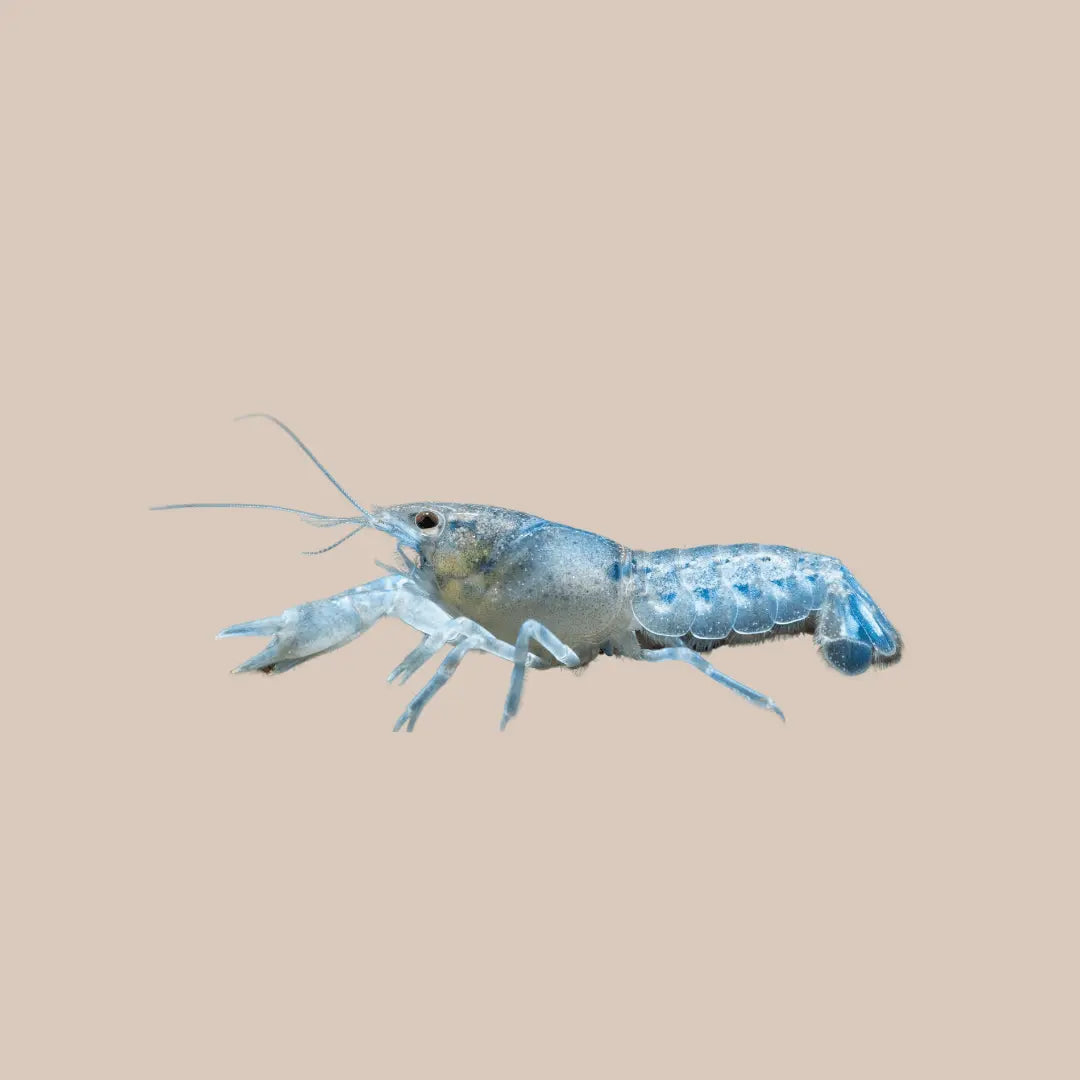
Yabby

Cherax destructor
Common Yabby · Blue Yabby · Blue Claw Yabby · Australian Crayfish

Yabby Care Guide
Lifespan
5-10 years
Adult Size
10-20cm
Care Level
Low to Medium
Diet

Omnivorous diet: quality sinking crustacean pellets, blanched vegetables, fresh fruit and protein supplements in rotation

Enclosure

Aquarium (minimum 60 litres for one Yabby; 100-150 litres for a compatible pair) with robust filtration, a secure lid, hiding spots and suitable substrate

Temperament

Active, curious and frequently surprisingly bold. Yabbies actively explore their environment, investigate changes, and learn to associate their keeper with feeding

Where they come from

Natural History & Origin

The Yabby (Cherax destructor) is one of Australia's most widespread native freshwater crayfish, found across a vast inland range in NSW, Victoria, South Australia, Queensland and the NT. They inhabit lakes, rivers, streams, irrigation channels, farm dams and swamps. The species name 'destructor' reflects their prolific burrowing habit, which can damage dam walls and irrigation banks.

Yabbies are enormously hardy, tolerating extremely wide temperature ranges (5-35ºC), drought through aestivation in dried mud, and broad water chemistry variation. These characteristics make them one of the most robust native aquatic animals available to Australian keepers.

Yabbies are native Australian animals and the most commonly available crayfish in the Australian pet trade, also available from bait shops. Licensing requirements vary between states and may change: always confirm current requirements with your state wildlife authority before purchasing.

Get it right early

Tips for First-Time Owners

  1. 1 Yabbies are predatory and will catch and eat fish, shrimp and other aquatic animals: a species-only or purpose-built setup is essential.
  2. 2 Set up and cycle the tank fully before purchasing.
  3. 3 Never disturb or handle a recently moulted Yabby: the soft exoskeleton is extremely vulnerable.
  4. 4 A secure, fitting lid is non-negotiable: Yabbies are excellent climbers and will escape through any available gap.
  5. 5 Confirm current licensing requirements in your state before purchasing.
Setting up the habitat

Enclosure & Husbandry

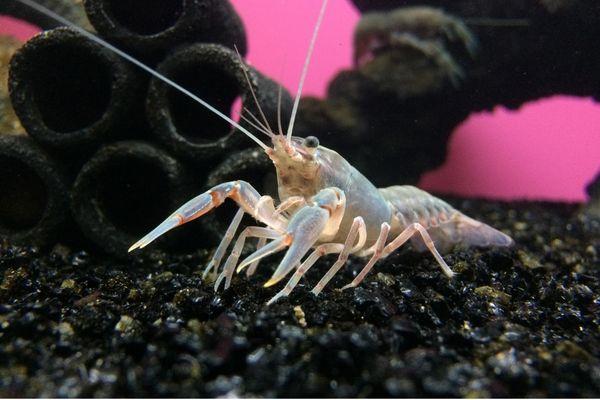
Minimum tank: 60 litres for a single adult; 100-150+ litres for pairs or small groups. Provide multiple hiding spots (smooth ceramic pipe, PVC elbows, commercial crayfish caves, stacked smooth rocks) as Yabbies are territorial and need refuge, especially during post-moult vulnerability.

Yabbies burrow enthusiastically in fine sand or fine gravel 5-10 cm deep. A bare-bottom tank is also acceptable and makes cleaning easier. Filtration must be robust: a filter rated for 1.5-2 times the tank volume. Cover all filter intakes with mesh guards. A secure, well-fitting lid is essential as Yabbies are competent climbers.

Temperature tolerance is very wide; no heater is required in most Australian homes. Yabbies must not be kept with small fish or shrimp, which they will catch and eat.

What to feed

Dietary Management

Yabbies are opportunistic omnivores and will consume algae, detritus, aquatic plants, worms, small invertebrates, dead fish and virtually any organic matter. Feed quality sinking crustacean pellets as the dietary foundation, supplemented with blanched vegetables (zucchini, carrot, sweet potato, leafy greens, spinach), fresh fruit, earthworms and small prawns. Remove uneaten food within 24 hours.

Calcium is critical for moulting and claw health. Provide a cuttlebone in the aquarium and ensure the water is not too soft (hardness below 50 ppm can impair moulting). Avoid overfeeding: yabbies have small stomachs and will stop eating when full.

Day-to-day interaction

Handling & Socialisation

Yabbies can be gently picked up for health checks or transfers, but their claws can pinch: handle carefully and avoid being nipped. They display territorial and defensive behaviour (raising claws in warning) that is fascinating to observe. Pick up from behind, grasping the body above the tail section. A recently moulted Yabby must never be handled as the soft exoskeleton is extremely vulnerable. Always wash hands after handling Yabbies or tank water.

Did you know

Fun Facts

The species name 'destructor' was assigned in reference to the animal's burrowing capabilities: a single Yabby can excavate a burrow up to one metre deep, a structure that allows survival through drought by retreating to moist subsoil.

The iconic blue colouration of many captive Yabbies is a physiological response to low turbidity and good nutrition: in the wild the same animals are typically muddy brown-olive. The same Yabby appears entirely different in different water conditions.

Yabbies play an important ecological role in Australian freshwater ecosystems as detritivores, bioturbators and prey for Murray cod, platypus and cormorants.

Keep them stimulated

Enrichment

Provide a varied physical environment with different hiding structures, substrate areas, rocks and driftwood for exploration. Varying feeding items on rotation provides foraging enrichment and better nutrition. For an enriched naturalistic setup, a biotope mimicking an Australian waterhole (silty substrate, smooth pebbles, weathered driftwood, minimal planting) provides the most authentic environment. Live plants will generally be eaten or uprooted; hardy plants attached to rocks or driftwood (java fern, anubias) may survive better.

What to watch for

Common Health Issues

Moulting complications: Failed moulting is caused by calcium deficiency or incorrect water chemistry. Ensure calcium availability through varied diet, cuttlebone and appropriately hard water.

Aggression injuries: Two Yabbies in close quarters will fight; provide multiple hides and monitor closely.

Bacterial infections: Can affect Yabbies under poor water quality conditions.

Copper toxicity: Yabbies are sensitive to copper; use copper-neutralising water conditioner and avoid copper-based medications.

Ammonia and nitrite toxicity: Can rapidly impair health; maintain a cycled tank and regular water changes.

Everything you need

Essentials Shopping List

Setup checklist

  • Aquarium (min. 60 L for one; 100-150 L for two)
  • Robust filtration (canister or hang-on-back rated for 1.5-2 times tank volume)
  • Secure-fitting aquarium lid
  • Filter intake mesh guard
  • Thermometer
  • Water quality test kit (ammonia, nitrite, nitrate, pH)
  • Water conditioner / dechlorinator (copper-neutralising)
  • Fine sand or gravel substrate (5-10 cm depth for burrowing)
  • Multiple hiding structures (smooth PVC pipe, ceramic caves, rocks)
  • Gravel siphon / vacuum
  • Cuttlebone
  • Quality sinking crustacean pellets
  • Blanched vegetables (zucchini, carrot, spinach, sweet potato)
  • Earthworms, prawns and fish pieces
  • Soft-mesh net (for transfers; never handle during post-moult)
FAQ

Commonly Asked Questions

  • Are Yabbies native to Australia?

    Yes. Cherax destructor is a native Australian freshwater crayfish. All wild-caught yabbies are protected; only legally captive-bred animals from registered suppliers may be kept as pets.

  • Can I keep Yabbies with fish?

    Yabbies are predatory and will catch and eat small fish and shrimp. A species-only setup is recommended.

  • Why has my Yabby turned blue?

    The blue colouration is an environmental response to clean water and good nutrition. The same animal in turbid water would appear olive-brown. Blue is a reliable indicator of good water quality.

  • Do I need a licence to keep Yabbies?

    Requirements vary by state; confirm with your state wildlife authority before purchasing.

  • How often do Yabbies moult?

    Juveniles moult frequently (every few weeks); adults moult less often (every few months to once or twice per year) depending on temperature, nutrition and growth rate.

Need help?Our specialists are in-store every day to help with set up, licensing and feeding.

Visit Kellyville Pets